

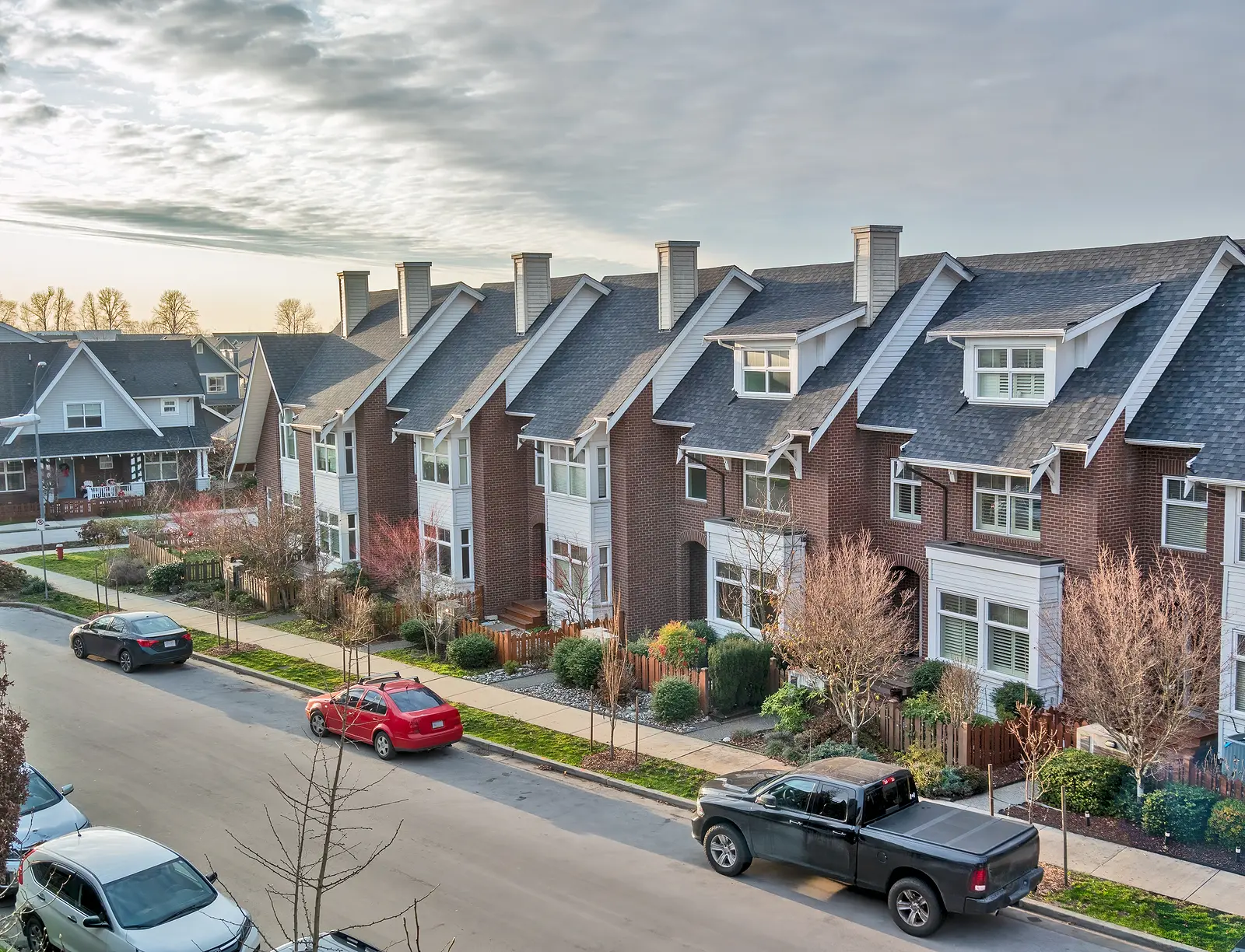
Las Vegas townhomes attract renters who want more space than apartments without the upkeep of single-family homes. They fill an important gap in the local rental market by offering more privacy, better layouts, and a home-like feel without the full responsibility of a detached house.
Unfortunately, these properties come with distinct challenges, especially parking limitations and noise or privacy concerns between attached units. Many property owners underestimate how much these daily issues shape lease renewals. Without clear systems in place, small frustrations can build into bigger complaints.
So instead of treating these issues as minor details, let us pull back the curtain on what tenants actually notice every day and how a more structured approach can turn common frustrations into reasons to stay.
Key Takeaways
- Parking access and clear rules affect tenant satisfaction long before lease renewal season arrives.
- Shared wall issues often drive turnover because they influence comfort, privacy, and trust.
- Proactive policies reduce disputes and make townhome living feel more predictable for tenants.
- Better management systems support longer stays, steadier occupancy, and stronger returns.
A. Parking Convenience Directly Influences Tenant Retention
Parking shapes tenant satisfaction daily. In Las Vegas townhomes, renters expect both comfort and practicality. When parking is inconsistent or poorly managed, it quickly reduces the overall rental experience.
Limited parking creates daily friction
Many Las Vegas townhome communities use shared or limited parking, which often frustrates tenants with multiple vehicles or regular visitors. Even a good unit can feel less practical when parking is unreliable.
Through stronger leasing outreach, owners can set expectations before move-in.
Common issues include:
- Circling the property at night for an open space
- Competing with neighbors for limited spots
- No clear guest parking options
- Adjusting routines around parking uncertainty
When guests have nowhere to park, it goes beyond inconvenience and begins to affect daily life and long-term satisfaction.
Unclear parking rules lead to disputes
Without assigned spaces, tenants often make assumptions about parking, which quickly leads to confusion and repeated conflicts that strain management.
Stronger tenant-screening standards can reduce friction by making renters more likely to follow shared-space rules.
Common issues include:
- Using open spots without a clear assignment
- Treating spaces as unofficially reserved
- Conflicts over guest vs resident parking
- Repeated complaints about the same behavior
These problems often extend beyond parking and can increase the risk of turnover.
Guest parking policies affect tenant perception
Guest parking plays a big role in how livable a townhome feels. Clear rules help tenants host visitors without stress and avoid daily frustration. When there is no workable guest parking system, tenants often feel limited and start comparing their experience to other rentals, which can hurt renewals over time.
Owners can better understand the impact of small operational changes by using an ROI calculator to see how daily improvements influence long-term returns.
Overall Solution: Assigned parking improves consistency and satisfaction
Reserved parking removes daily uncertainty. Tenants know exactly where to park, which makes day-to-day living more predictable and less stressful. It also simplifies enforcement. Clear assignments make it easier for management to apply rules consistently, reduce disputes, and maintain a more stable property experience.
B. Shared Walls Shape Daily Comfort and Lease Renewals
Shared walls are one of the biggest differences between townhomes and detached rentals. They can be manageable, but they need active attention. Noise transfer, privacy concerns, and lifestyle differences all affect how tenants experience the property, and those experiences play a major role in whether they stay.
Noise transfer affects everyday living
Noise moves easily between attached townhome units, and repeated exposure can wear tenants down over time.
Consistent upkeep through maintenance services helps reduce issues such as loose fixtures and worn seals that worsen the sound.
Common noise sources include:
- Footsteps traveling through the floors
- Conversations or TV noise through shared walls
- Doors or cabinets closing
- General daily movement
Over time, this kind of disruption reduces comfort and can affect renewal decisions.
Solution: Property improvements can reduce sound issues
Insulation upgrades, sealing gaps, and material improvements can reduce noise between units. Many of these changes are small but still noticeable in daily living. An owner's FAQ page helps clarify responsibility, process, and expected results before making upgrades. These improvements go beyond comfort.
Privacy concerns influence tenant satisfaction
Close proximity in townhomes can make tenants feel like they have limited personal space, even without major noise issues. Shared views, outdoor areas, and nearby activity can reduce the sense of privacy.
This often shows up indirectly in feedback, with tenants simply deciding not to renew because the home did not feel comfortable for the long term.
Solution: Proactive response to complaints builds trust
Quick action shows tenants their concerns are taken seriously. Delays can turn small issues into long-term frustration, especially when neighbors are involved. Many owners consider a management partner comparison when repeated complaints make it harder to manage things alone.
Different lifestyles create varying noise levels
Townhome living brings different routines under one roof structure, which can create uneven noise patterns throughout the day.
Clear expectations around pets, supported by pet policy guidance, help reduce avoidable tension between neighbors.
Common lifestyle-driven noise issues include:
- Work-from-home tenants needing quiet daytime conditions
- Families with higher activity levels in the evenings
- Pets causing barking or movement noise that carries between units
- Routine differences leading to repeated misunderstandings
Lifestyle differences are normal. Problems usually start when those differences are not managed clearly.
Solution: Setting expectations early prevents conflict
Clear lease terms around noise and quiet hours help tenants understand what is expected and how to report issues. This reduces confusion and gives management a consistent basis for enforcement. It also builds trust.
FAQs about Las Vegas Townhome Property Management
Are soundproofing upgrades really necessary, or are they an overinvestment?
Soundproofing upgrades are often worth it when noise complaints affect tenant comfort and lease renewals, as even small improvements can reduce disturbances, improve daily living conditions, and help retain tenants longer.
Is it worth investing in parking improvements if space is already limited?
Yes, because improving parking organization through assigned spaces, clearer rules, and better signage can significantly reduce tenant frustration and create a more functional experience, even when the total number of spaces remains unchanged.
Will hiring a property manager actually increase my profit, or just add another expense?
A property manager can improve profitability by reducing vacancies, handling tenant issues more efficiently, and maintaining consistent operations, which helps protect rental income and minimize costly turnover over time.
How do I know if my rental pricing is truly competitive in Las Vegas?
To stay competitive, compare your property with similar rentals, monitor local market trends, and consider how features like parking, privacy, and condition impact value beyond just size and location.
What if tenants ignore rules or repeatedly cause issues?
Consistent enforcement of lease terms, proper documentation, and timely communication are essential for handling repeat issues, helping maintain order in the community while protecting both your property and other tenants.
Enhance Stability in Las Vegas Townhome Rentals with Experts' Help!
Parking systems and enforcement directly impact tenant satisfaction. Shared wall management shapes comfort, privacy, and the full daily experience of townhome living. Clear policies reduce disputes and recurring complaints. Proactive communication improves tenant trust and retention. Structured townhome management leads to longer lease terms and more stable occupancy.
Owners should also pay attention to the cost of turnover itself. A simple vacancy loss calculator can help you see how quickly lease instability affects your bottom line.
If you want stronger retention in your Las Vegas townhome portfolio, Monarch Property Management & Realty offers practical support built around the issues that matter most to owners and tenants.
- Marketing and leasing support for better-fit tenants
- Maintenance coordination that protects comfort and property condition
- Rule enforcement and communication that reduce avoidable conflict
- Performance-focused oversight for steadier occupancy
To put a more structured plan in place, take the next step to elevate management results with Monarch Property Management & Realty’s Las Vegas multi-family property management services.